
When is a handyman the right call?
A handyman is the right call when the work is already clear in your head. A door that sticks. A loose railing. A faucet that drips. A ceiling fan that needs hanging, a room that needs paint, a few rows of floor that need replacing. These jobs are usually small enough to finish in a visit or two, and they rarely need more than one skill.
The real advantage is range. If you have six small things on a list, one person can often do all six instead of you booking six different trades. That saves phone calls, scheduling and the back-and-forth of explaining the house to someone new each time. It is why a lot of homeowners in Timonium, Towson and Cockeysville keep one dependable person on call for the everyday work.
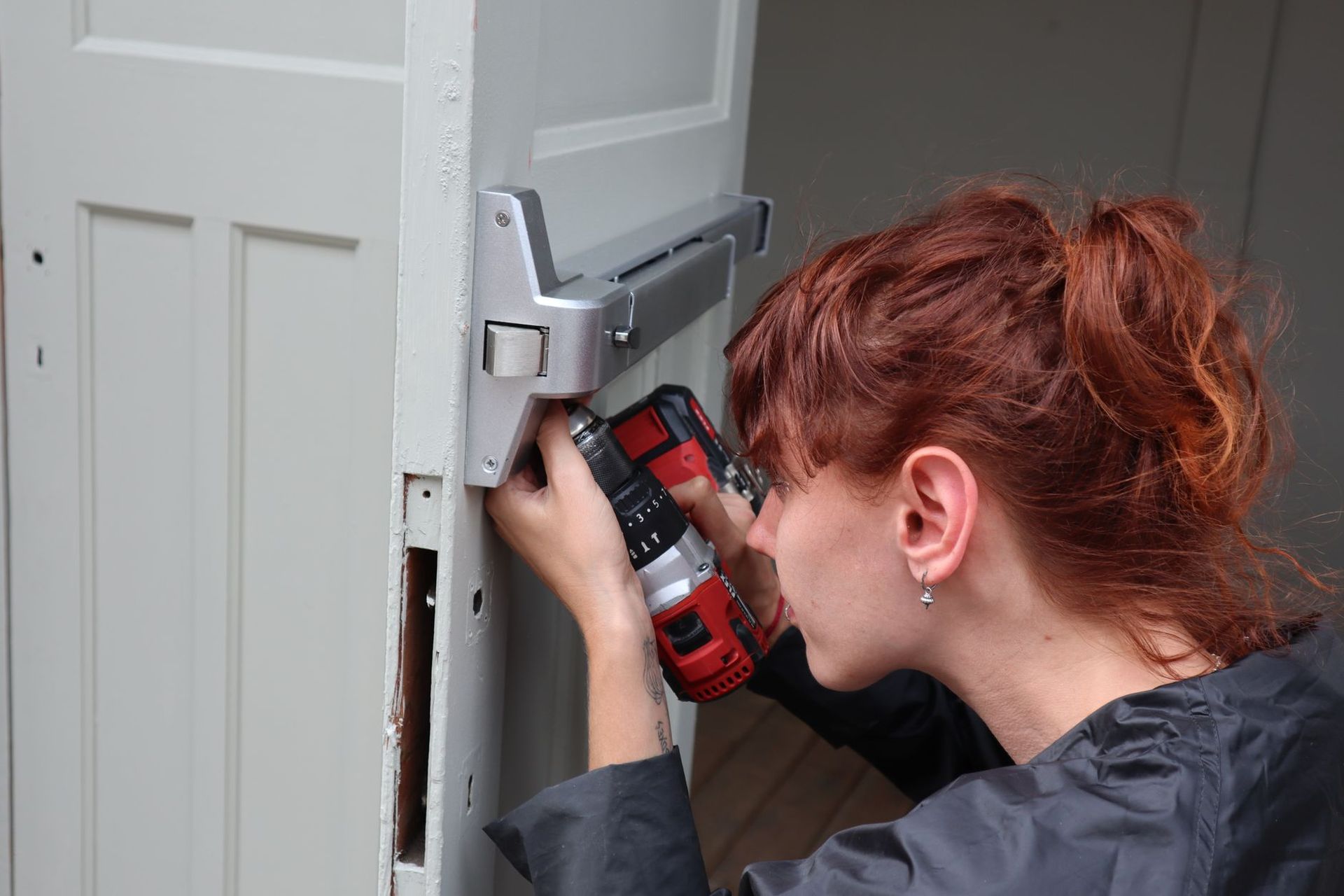
Typical handyman work includes home repair, patching and painting, light fixture swaps, hanging doors, caulking and minor fixes around kitchens and baths.
When does a project call for a contractor?
Some work is bigger than a handyman visit, and it is better to know that up front. Think of projects that move walls, change plumbing or wiring behind the walls, add square footage, replace a roof, or involve several trades working in a set order. These jobs often need drawings, permits and inspections, and someone to coordinate it all from start to finish.
A useful test: if the job changes how the house is built, rather than repairing or refreshing what is already there, start the conversation with a contractor. If you are not sure which side your project falls on, describe it to a handyman first. A good one will tell you honestly when the job belongs to someone else.
What does Maryland law say about home improvement contractors?
In Maryland, contractors who perform home improvement work on an owner-occupied home generally need a license from the Maryland Home Improvement Commission, known as the MHIC. The rules on which jobs are covered come from the state, and larger projects are where the requirement matters most. This is a fact about the law, not a claim about any one company, so read the current rules for your project.
You can check whether a contractor holds an MHIC license on the Maryland Department of Labor website. It only takes a minute, and it is worth doing before you sign anything or hand over a deposit. Ask the contractor for the license number and look it up yourself, rather than taking a verbal answer.
What should you ask before you hire anyone?
Whether you call a handyman or a contractor, the same few questions protect you:
- What exactly is included in the job, and what is not?
- Who will be doing the work, and when will they start?
- How will changes be handled if something unexpected turns up?
- How will you be kept up to date while the work is going on?
- Will the work area be protected and cleaned up when the day is done?
Get the answers in writing where you can. A clear scope on paper prevents most disagreements before they begin.
How do you decide quickly?
Write the job down in one sentence. If it begins with fix, replace, paint, patch, hang or install, it is probably handyman work. If it begins with build, remove, relocate, rewire or add, it likely needs a contractor. Projects that sit in the middle, like a bathroom refresh with new fixtures and a vanity, can often go either way depending on how much is behind the walls.
MDR Home Plus is a locally owned handyman service based in Lutherville-Timonium, serving homes across Baltimore County. If you are weighing your options, request an estimate and tell us what you have in mind. We will talk through the work and tell you plainly if it is outside what we do.
Frequently Asked Questions
How do I know if my project needs a permit?
Permit rules vary by county and by the type of work. Structural changes, new wiring and new plumbing lines are the usual ones. Check with Baltimore County before work starts, and ask whoever you hire to explain what applies to your job.
Can a handyman do a whole bathroom or kitchen?
It depends on the scope. Updating fixtures, vanities, hardware, caulk and tile is often handyman territory. Moving plumbing, changing the layout or opening walls usually calls for a contractor.
How can I check a contractor's license in Maryland?
Look the contractor up on the Maryland Department of Labor website, where MHIC license information is published. Ask for the license number first so you can search it directly.